In the heart of every home, the kitchen stands as both a sanctuary of nourishment and, unfortunately, a significant source of waste. The concept of a zero-waste kitchen is not merely a trend but a profound shift in our relationship with food, resources, and the environment. It's a philosophy that challenges us to rethink our habits, from the moment we plan our meals to the way we handle what we might traditionally consider scraps. This journey toward a more sustainable kitchen is paved with intention, creativity, and a deep respect for the ingredients that fuel our lives.
At its core, a zero-waste kitchen aims to eliminate the sending of any food or packaging to landfills. This ambitious goal begins with mindful shopping. Instead of impulsive purchases driven by marketing or fleeting cravings, it encourages a strategy rooted in necessity and foresight. Creating a detailed shopping list based on planned meals for the week is a foundational step. This simple act of planning drastically reduces the likelihood of buying excess food that ultimately spoils forgotten in the back of the refrigerator. Furthermore, embracing bulk bins for staples like grains, legumes, nuts, and spices allows you to purchase exact quantities, minimizing packaging waste and preventing food from being stored for too long and losing its vitality.
Once the food is home, its preservation becomes an art form. Understanding how to store different types of produce is crucial to extending its lifespan. Many of us innocently toss all our fruits and vegetables into the refrigerator, unaware that items like tomatoes, potatoes, onions, and garlic prefer the cool, dark environment of a pantry or cupboard. Conversely, herbs can be treated like fresh flowers; their stems placed in a jar of water to keep them crisp and vibrant for days longer than if left to dry out in a bag. Learning these simple techniques can dramatically cut down on the amount of food that wilts, sours, or molds before we have a chance to enjoy it.
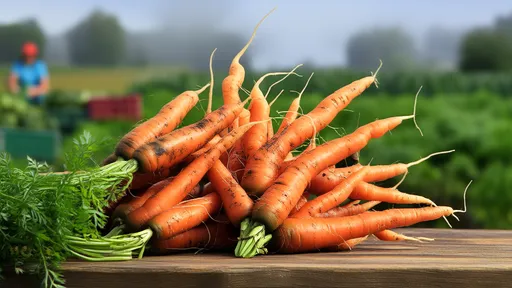
Perhaps the most transformative practice in a zero-waste kitchen is redefining what constitutes "waste." Those carrot tops, broccoli stems, onion skins, and celery leaves are not garbage; they are ingredients brimming with flavor and nutrients. A simple and powerful habit is to keep a sealed container in the freezer dedicated to collecting these vegetable scraps. Once full, these bits and pieces can be transformed into a rich, homemade vegetable broth, creating a valuable culinary asset from what would have been thrown away. This broth forms the base for soups, stews, and risottos, adding a depth of flavor that store-bought versions often lack.
Similarly, animal-based scraps like chicken carcasses or beef bones are golden opportunities. Roasting them and then simmering for hours creates a nutrient-dense bone broth, a staple in many traditional cuisines now celebrated for its health benefits. Even citrus peels, often discarded after juicing, can be given a second life. They can be candied for a sweet treat, dried and added to teas, or infused in vinegar to create a powerful, all-natural cleaning agent for the kitchen itself. This mindset of creative reuse turns the act of cooking into a puzzle where every piece has potential.
Composting is the final, beautiful loop in the zero-waste cycle. For any organic matter that truly cannot be consumed or repurposed—egg shells, coffee grounds, tea bags, and those few unavoidable scraps—composting offers a way to return these nutrients to the earth instead of condemning them to a landfill. In a landfill, organic matter decomposes anaerobically (without oxygen), producing methane, a potent greenhouse gas. In a compost bin, decomposition happens aerobically, creating a rich, fertile humus that can nourish garden soil or houseplants. Whether you have a sprawling backyard for a large compost heap or a small apartment utilizing a worm bin or bokashi system, there is a composting solution for every living situation.
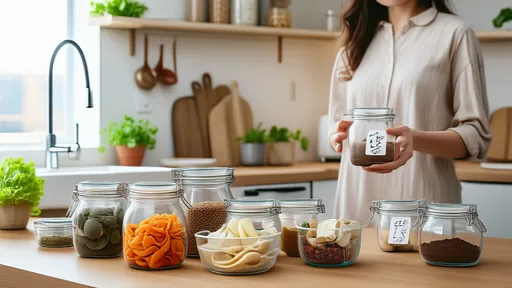
Beyond food itself, a zero-waste kitchen also scrutinizes the tools and materials we use. Single-use items like plastic wrap, aluminum foil, and paper towels are replaced with durable, reusable alternatives. Beeswax wraps or simple cloth bowl covers can stand in for plastic wrap. Glass jars, stainless steel containers, and silicone bags become the new standard for food storage. Old t-shirts or towels are cut into squares to become "unpaper" towels, washed and reused countless times. This shift not only reduces waste but also fosters a kitchen environment that feels more intentional and less disposable.
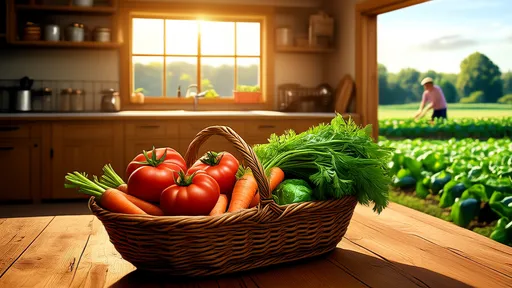
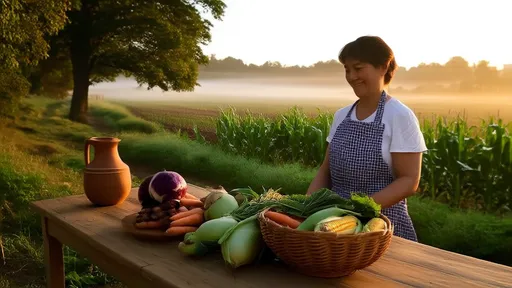
Engaging with your local community can also amplify your efforts. Supporting farmers' markets not only provides you with fresher, often unpackaged produce but also strengthens the local economy and reduces the carbon footprint associated with long-distance food transport. Some communities have started "ugly" produce subscription services, delivering perfectly edible fruits and vegetables that grocery stores reject for cosmetic reasons at a reduced price, directly combating food waste at the agricultural level.
Ultimately, the path to a zero-waste kitchen is not about achieving perfection overnight. It is a gradual process of education, experimentation, and mindfulness. It's about celebrating the small victories: the broth made from scraps, the herbs that didn't wilt, the shopping trip that produced no plastic packaging. Each step forward is a conscious choice to value our resources, reduce our environmental impact, and honor the journey of our food from earth to table. It is a quiet revolution happening in kitchens around the world, one reused jar and repurposed scrap at a time, slowly weaving sustainability into the very fabric of our daily lives.
By /Aug 29, 2025
By /Aug 29, 2025

By /Aug 29, 2025
By /Aug 29, 2025
By /Aug 29, 2025
By /Aug 29, 2025
By /Aug 29, 2025
By /Aug 29, 2025
By /Aug 29, 2025
By /Aug 29, 2025

By /Aug 29, 2025
By /Aug 29, 2025

By /Aug 29, 2025
By /Aug 29, 2025

By /Aug 29, 2025

By /Aug 29, 2025
By /Aug 29, 2025
By /Aug 29, 2025
By /Aug 29, 2025
By /Aug 29, 2025