The choice of cookware is one of the most fundamental decisions in any kitchen, and the material from which a pot or pan is made profoundly influences not only how it performs but also the very character of the food it helps create. Among the vast array of options, four materials stand out as the pillars of both professional and home kitchens: copper, aluminum, cast iron, and stainless steel. Each possesses a unique personality, a distinct set of physical properties that dictate its thermal reaction, and consequently, its culinary strengths and weaknesses. Understanding these nuances is the key to unlocking their potential and building a kitchen arsenal that can meet any challenge.
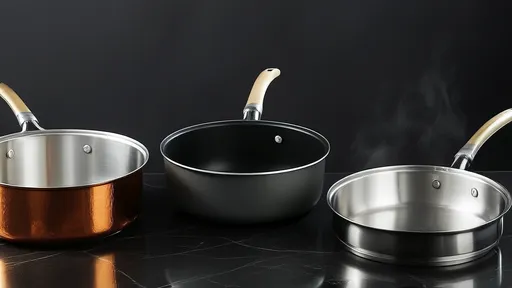
Copper is, without question, the aristocrat of cookware. Chefs and serious culinary enthusiasts revere it for a single, unparalleled property: its phenomenal thermal conductivity. Copper reacts to changes in temperature with breathtaking speed and uniformity. The moment heat is applied, it spreads instantly across the entire surface of the pan, eliminating hot spots and ensuring that every square inch of food cooks at precisely the same rate. This responsiveness provides an exquisite level of control, allowing a cook to make immediate, minute adjustments to the flame and see the results almost instantaneously. It is the undisputed champion for tasks requiring precision, such as preparing delicate sauces, tempering chocolate, or searing a piece of fish to perfect, even doneness.
However, this regal performance comes with significant caveats. Pure copper is highly reactive with acidic ingredients like tomatoes, wine, or vinegar. Cooking such foods in an unlined copper pot can lead to toxic leaching, imparting a metallic taste and potentially causing illness. To mitigate this, quality copper cookware is always lined, traditionally with tin and more commonly in modern times with a durable layer of stainless steel. This lining solves the reactivity problem but introduces another: stainless steel has comparatively poor conductivity. The brilliance of the design is that the thick copper core still does the heavy lifting of heat distribution, while the thin interior lining merely acts as a protective barrier. The final, and perhaps most daunting, drawback is cost. Copper is exceptionally expensive, placing it out of reach for many home cooks. Furthermore, its beautiful exterior requires diligent polishing to maintain its lustrous shine, as it tarnishes quickly when exposed to air.
In the pursuit of excellent heat distribution without the exorbitant cost of copper, many manufacturers turn to aluminum. This metal is also an exceptional conductor of heat, second only to copper among common cookware materials. It heats up quickly and spreads that heat very evenly, making it a fantastic, budget-friendly workhorse for everyday cooking. Its lightweight nature is a significant advantage, especially for larger pots and pans that would be prohibitively heavy if made from cast iron or clad stainless steel. Most of the aluminum cookware found in stores today is anodized. This electrochemical process hardens the surface of the aluminum, making it remarkably durable, scratch-resistant, and non-reactive. This solves the primary weakness of raw aluminum, which, like copper, can react with acidic foods and will warp easily when exposed to high, uneven heat.
Despite these improvements, anodized aluminum is not without its limitations. While the anodized surface is incredibly hard, it is not indestructible and can be damaged by harsh abrasives or metal utensils. Perhaps its most notable drawback is its incompatibility with induction cooktops. Since induction relies on magnetic fields to generate heat, the non-magnetic aluminum simply will not work on these modern ranges without a special magnetic base plate added to the pan. For those with gas or electric stoves, however, aluminum remains one of the most practical and effective choices for consistent, responsive cooking.
If copper is the aristocrat, then cast iron is the steadfast, rugged guardian of the kitchen. Its greatest asset is its unparalleled heat retention. Cast iron reacts to heat slowly; it takes a considerable amount of time to heat up thoroughly. But once it is hot, it holds onto that thermal energy with a tenacious grip. This makes it utterly indispensable for tasks where consistent, steady, high heat is required. Searing a steak to achieve a magnificent, caramelized crust, baking a loaf of bread with a crisp exterior, or frying chicken to golden-brown perfection are all domains where cast iron reigns supreme. This incredible retention also means it will keep food warm at the table long after it has left the stove.
The relationship with a cast iron pan is one of stewardship. Its legendary durability is matched only by its need for proper seasoning—a layer of polymerized oil that creates a natural, non-stick, rust-resistant surface. This seasoning must be built and maintained over time, making the pan somewhat high-maintenance. It is also notoriously heavy and can be cumbersome to handle. Furthermore, cast iron is reactive. Cooking highly acidic dishes for prolonged periods can break down the seasoning and impart a metallic flavor, while also risking damage to the pan's carefully cultivated patina. Despite these demands, a well-seasoned cast iron skillet is a lifetime companion, often passed down through generations, improving with age and use.
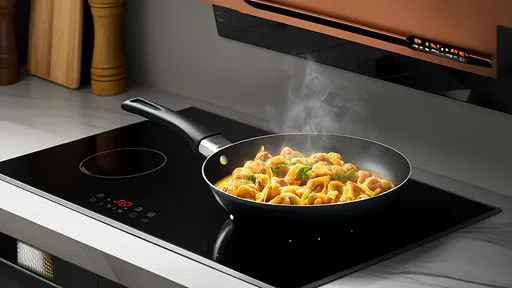
Stainless steel presents a different paradigm altogether. On its own, it is a poor conductor of heat; a thin stainless steel pan would heat very unevenly, creating severe hot spots that would burn food in one area while leaving it uncooked in another. The genius of modern stainless steel cookware lies in its construction. To overcome its innate weakness, it is almost always made as clad cookware. This means the stainless steel exterior (chosen for its durability, non-reactivity, and sleek appearance) is bonded to a core of a highly conductive metal, like aluminum or copper. This core runs through the entire base and often up the sides of the pan, channeling heat quickly and evenly throughout the vessel. The stainless steel interior provides a completely inert cooking surface, making it perfectly safe for simmering tomato sauce, deglazing with wine, or preparing any acidic dish without fear of metallic flavors or corrosion.
The advantages of this design are numerous. Stainless steel is incredibly durable, resistant to warping, scratching, and staining. It is dishwasher safe and requires virtually no maintenance beyond routine cleaning. It is also universally compatible with all stovetop types, including induction. Its primary trade-off is that it does not have the hyper-responsiveness of copper or the formidable heat retention of cast iron; it exists in a versatile middle ground. Furthermore, without a non-stick coating, food can stick to its surface if proper preheating and fat are not used, though this same property makes it ideal for creating fond—the flavorful browned bits left in the pan after searing, which form the foundation of excellent pan sauces.
In the end, there is no single "best" material. The perfect pan is the one whose thermal reaction is perfectly suited to the task at hand. The masterful responsiveness of copper, the efficient and affordable conduction of aluminum, the relentless, searing heat of cast iron, and the versatile, durable neutrality of clad stainless steel all have their rightful place. A well-equipped kitchen will often feature a combination of these materials, allowing the cook to harness the unique physical properties of each to achieve specific culinary goals. The art of cooking is not just about technique and ingredients; it is also a dialogue with the tools we use, a dance with the physics of heat, conducted through the medium of metal.
By /Aug 29, 2025
By /Aug 29, 2025
By /Aug 29, 2025
By /Aug 29, 2025
By /Aug 29, 2025
By /Aug 29, 2025
By /Aug 29, 2025
By /Aug 29, 2025

By /Aug 29, 2025
By /Aug 29, 2025

By /Aug 29, 2025
By /Aug 29, 2025

By /Aug 29, 2025
By /Aug 29, 2025
By /Aug 29, 2025

By /Aug 29, 2025

By /Aug 29, 2025
By /Aug 29, 2025
By /Aug 29, 2025
By /Aug 29, 2025