In the quiet corners of every culture, there exists a culinary language spoken not with words, but with scents, textures, and tastes. This is the geography of comfort food, a map drawn not by borders, but by memory and longing. It is the edible archaeology of home, where a single bite can transport someone across continents and decades, back to a specific kitchen, a particular moment, a feeling of absolute belonging. These dishes are the anchors of our identity, the flavors of our nostalgia, and they tell a profound story of human connection to place.
Travel to the misty highlands of Scotland, and you will find the heart of its comfort in a humble bowl of Cullen skink. This thick, creamy soup, brimming with smoked haddock, potatoes, and onions, is more than mere sustenance. It is a taste of the North Sea coast, a culinary embrace designed to ward off the chill of the damp, salty air. The smokiness of the fish speaks of centuries-old preservation techniques, a flavor born of necessity that has evolved into a national treasure. To taste it is to understand the Scottish resilience, a people whose comfort is found in warmth and substance against the elements.
Across the Atlantic, the American South offers its own version of soul-soothing cuisine. Here, macaroni and cheese transcends its simple ingredients to become a symbol of family, community, and celebration. Baked until golden and bubbling, often with a crispy top layer giving way to an impossibly creamy interior, it is a mandatory fixture at potlucks, holidays, and Sunday suppers. Its roots are complex, intertwining European culinary traditions with the ingenuity and spirit of African American cooks. It is not just food; it is a dish of welcome, of abundance, and of shared history, offering a deep, cheesy comfort that feels like a hug from the inside.
Venture into the vibrant heart of Mexico, and comfort takes on a fiery, complex character in a bowl of pozole. This pre-Columbian stew, traditionally made with hominy and pork, is a symphony of textures and flavors, topped with radishes, avocado, lime, and oregano. It is a dish for fiestas and for healing, often served to cure a hangover or mend a broken spirit. The act of preparing it is a ritual, often taking hours, and sharing it is an act of love. The rich, spicy broth and hearty ingredients provide a grounding, celebratory comfort that connects modern Mexicans directly to their ancient ancestors.
In Japan, the ultimate comfort is found in a deceptively simple bowl of ramen. Far removed from the instant packets known to college students, authentic ramen is a labor of love. Its soul lies in the broth—simmered for days from pork bones, chicken, dried fish, and kelp, until it achieves a milky, profound depth. The springy noodles, the tender chashu pork, the marinated egg, and the array of toppings are each elements of a perfect, harmonious whole. For the Japanese salaryman working late or the student far from home, a bowl of ramen is a steaming, savory sanctuary. It offers a moment of solitary reflection and deep satisfaction, a warm haven in a bustling, fast-paced world.
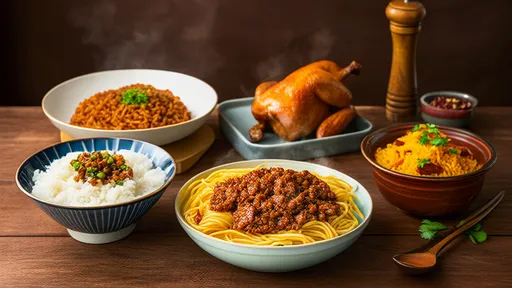
India’s answer to culinary comfort is as diverse as its subcontinent, but few dishes are as universally cherished as khichdi. This humble one-pot dish of rice and lentils, tempered with spices, ghee, and sometimes vegetables, is the ultimate edible security blanket. It is the first solid food given to babies, the meal offered to the ill for its easy digestibility, and the food of choice during monsoons and religious observances. Its simplicity is its power. The gentle spices and soft texture provide a calming, nourishing comfort that feels inherently wholesome and restorative, a culinary return to baseline.
These dishes, and thousands like them around the globe, form a world map of emotion. The geography of comfort food reveals that while our ingredients and methods may differ, the human need for that edible hug is universal. It is a need forged in childhood, reinforced by culture, and recalled in moments of stress, sadness, or simple longing. This is the power of the taste of nostalgia. It is the flavor of home, no matter where on Earth that home may be.
By /Aug 29, 2025

By /Aug 29, 2025
By /Aug 29, 2025
By /Aug 29, 2025

By /Aug 29, 2025

By /Aug 29, 2025

By /Aug 29, 2025

By /Aug 29, 2025
By /Aug 29, 2025

By /Aug 29, 2025

By /Aug 29, 2025

By /Aug 29, 2025

By /Aug 29, 2025
By /Aug 29, 2025

By /Aug 29, 2025

By /Aug 29, 2025
By /Aug 29, 2025
By /Aug 29, 2025

By /Aug 29, 2025

By /Aug 29, 2025