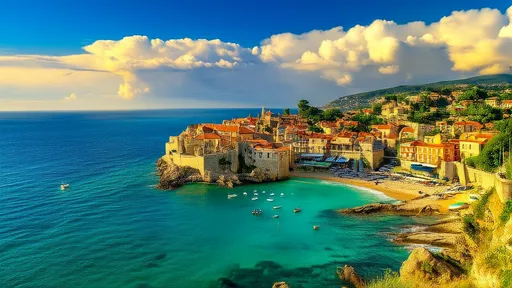
Croatia, often hailed as the jewel of the Adriatic, is a destination that captures the imagination with its stunning coastline, rich history, and vibrant culture. Nestled in Southeast Europe, this Mediterranean gem boasts over a thousand islands, each with its own unique charm and allure. From the ancient walled city of Dubrovnik to the cascading waterfalls of Plitvice Lakes National Park, Croatia offers a diverse array of experiences that cater to travelers of all tastes. Its crystal-clear waters, sun-drenched beaches, and picturesque old towns make it a perennial favorite among those seeking both relaxation and adventure.
The Adriatic Sea, with its mesmerizing shades of blue and green, serves as the lifeblood of Croatia’s coastal regions. It is not just a body of water but a central character in the story of this nation, influencing everything from its economy to its way of life. The sea has shaped Croatia’s identity, fostering a maritime tradition that dates back centuries. Fishing villages dot the coastline, their colorful boats bobbing in the harbors, while modern marinas welcome yachts from around the world. The Adriatic’s pristine conditions also make it a haven for marine life, attracting divers and snorkelers eager to explore its underwater wonders.
Dubrovnik, often referred to as the "Pearl of the Adriatic," stands as a testament to Croatia’s historical grandeur. Encircled by massive stone walls completed in the 16th century, the city’s Old Town is a UNESCO World Heritage site that transports visitors back in time. Its marble-paved streets, baroque buildings, and ornate churches tell tales of a prosperous past when Dubrovnik was a powerful maritime republic. Walking along the city walls, one is treated to breathtaking views of the terracotta-roofed houses set against the deep blue sea. Despite suffering damage during the conflicts of the 1990s, Dubrovnik has been meticulously restored, retaining its timeless beauty and resilience.
Beyond Dubrovnik, the Dalmatian Coast unfolds with a series of captivating destinations. Split, Croatia’s second-largest city, is home to the magnificent Diocletian’s Palace, a Roman emperor’s retirement home that now forms the heart of the city. Within its ancient walls, a lively maze of shops, cafes, and homes buzzes with energy. Further north, the city of Zadar offers a blend of Roman and Venetian ruins, alongside modern attractions like the Sea Organ and the Sun Salutation, which use the natural elements to create enchanting art installations. Each coastal town and island, from Hvar with its glamorous nightlife to Korčula with its medieval architecture, adds a unique thread to the rich tapestry of Croatian culture.
The islands of Croatia are perhaps its most enchanting feature. With over a thousand to choose from, each offers a distinct experience. Hvar is known for its lavender fields, vibrant nightlife, and historic landmarks, attracting a chic, international crowd. Brač is famous for its stunning Zlatni Rat beach, a pebble spit that shifts shape with the tides and winds. Vis, once a military base closed to foreigners, now lures visitors with its unspoiled beauty and secluded coves. Meanwhile, the Kornati archipelago, a national park comprised of 89 islands, is a barren yet dramatic landscape ideal for sailing and diving. These islands are not just tourist destinations but living communities where traditional ways of life endure.
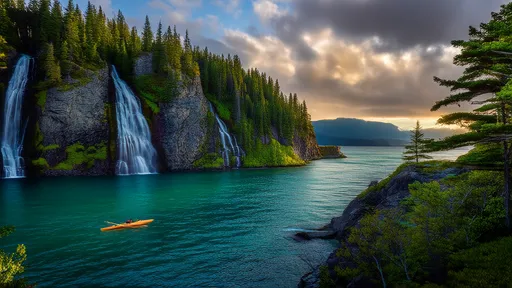
Croatia’s natural beauty extends beyond its coastline to its lush interior. The Plitvice Lakes National Park, another UNESCO site, is a wonderland of sixteen terraced lakes joined by waterfalls and set in deep woodland. The park’s boardwalks allow visitors to wander over and around the vibrant waters, which change color from azure to green depending on the mineral content and sunlight. In contrast, the rugged Velebit mountain range offers hiking trails with panoramic views of the Adriatic, while the fertile plains of Slavonia are known for their vineyards and rustic cuisine. This diversity of landscapes ensures that Croatia appeals to nature lovers as much as to sun-seekers.
The cultural heritage of Croatia is as diverse as its geography. Influences from the Romans, Venetians, Ottomans, and Austro-Hungarians have all left their mark, creating a unique blend of architecture, cuisine, and traditions. Croatian cuisine reflects this mosaic, with coastal areas specializing in fresh seafood, olive oil, and Mediterranean herbs, while inland regions favor hearty stews, meats, and freshwater fish. Dishes like pašticada (a slow-cooked beef dish) and crni rižot (black risotto made with cuttlefish ink) are culinary delights that tell stories of historical trade and local ingenuity. Festivals, such as the Dubrovnik Summer Festival or the Sinjska Alka, a knights’ tournament in Sinj, celebrate this rich cultural tapestry with music, dance, and historical reenactments.
Modern Croatia is a dynamic nation that has successfully embraced tourism while preserving its authentic character. Since gaining independence in 1991, it has developed into a stable democracy and a member of the European Union. The tourism industry, which plays a vital role in the economy, is managed with a focus on sustainability, aiming to protect the very assets that draw visitors. Efforts to promote eco-tourism, preserve historical sites, and support local communities are evident across the country. This balance between development and conservation ensures that Croatia remains not just a destination, but a experience that feels both timeless and contemporary.
In conclusion, Croatia truly earns its title as the jewel of the Adriatic. Its combination of natural splendor, historical depth, and cultural vitality creates a destination that is both inspiring and inviting. Whether exploring ancient cities, sailing between islands, or savoring local flavors, visitors are sure to be captivated by the charm and beauty of this Mediterranean paradise. As Croatia continues to evolve, it remains a testament to the enduring allure of the Adriatic Sea and the rich legacy of the peoples who have called its shores home.
By /Sep 1, 2025
By /Sep 1, 2025

By /Sep 1, 2025
By /Sep 1, 2025

By /Sep 1, 2025
By /Sep 1, 2025
By /Sep 1, 2025

By /Sep 1, 2025
By /Sep 1, 2025
By /Sep 1, 2025
By /Sep 1, 2025
By /Sep 1, 2025

By /Sep 1, 2025
By /Sep 1, 2025
By /Sep 1, 2025
By /Sep 1, 2025
By /Sep 1, 2025
By /Sep 1, 2025
By /Sep 1, 2025
By /Sep 1, 2025